
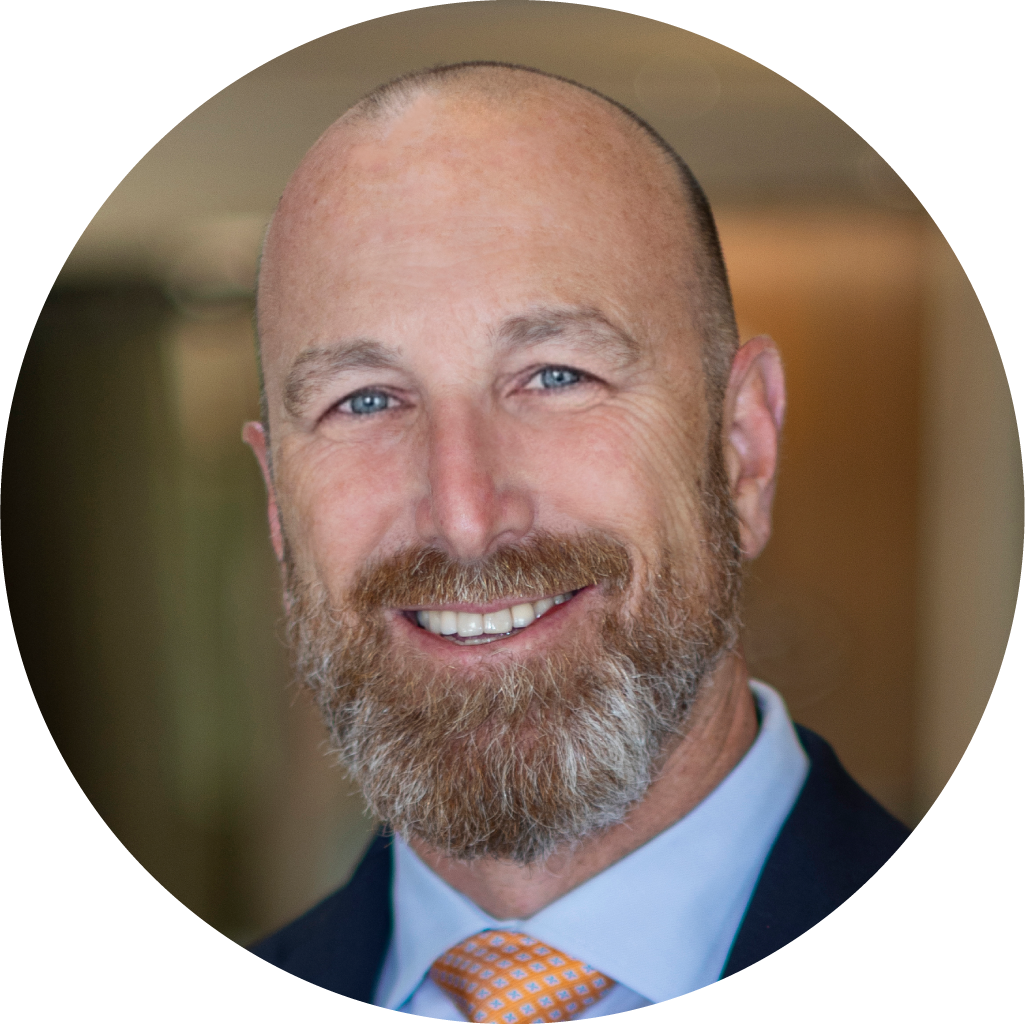

I was saddened to learn this week about the passing of Robert Warriner III, MD, FACA, FCCP, FCCWS, a leader and tireless educator of the entire wound care industry. If you were not fortunate enough to have metor been educated by him, his accomplishments deserve your attention.(press release) (obituary)It was an honor to have met Dr.Warriner. Our industry will be less without him, yet more because of him.
Honoring Dr. Robert A. Warriner III: A Pioneer in Wound Care Leadership
I was saddened to learn this week about the passing of Robert Warriner III, MD, FACA, FCCP, FCCWS, a leader and tireless educator of the entire wound care industry. If you were not fortunate enough to have been mentored or educated by him, his accomplishments deserve your attention and recognition.
Robert Warriner III stood as one of the most influential figures in modern wound care, a physician whose commitment to clinical excellence and professional education helped shape the standards we follow today. His credentials spoke volumes about his dedication to the field: Fellow of the American College of Cardiology, Fellow of the College of Chest Physicians, and Fellow of the American Academy of Wound Management. Yet his impact extended far beyond the letters after his name. He represented the gold standard of what a wound care physician should be: clinically rigorous, intellectually curious, and generously committed to lifting up the next generation of wound care professionals.
As Chief Medical Officer at HealogicsInc., one of the nation's largest wound care networks, Dr. Warriner became the face of evidence-based wound management at a critical juncture in the industry's evolution. During a time when wound care standards were still being codified and best practices debated, he provided the clinical leadership and authoritative voice that helped establish protocols and educational frameworks that became the foundation for accredited wound care programs across the country.
What distinguished Dr. Warriner was not merely his clinical expertise, but his unwavering dedication to education. He understood that advancing wound care meant more than treating individual patients; it meant training physicians, nurses, and allied health professionals to deliver consistent, evidence-based care. He invested countless hours developing educational curricula, delivering lectures, and mentoring clinicians at every level of experience. Those who attended his presentations or studied under his guidance describe a teacher who could distill complex pathophysiology into clear, actionable clinical guidance. He made wound care accessible without oversimplifying it.
His contributions to wound care program development were substantial. As hospitals and health systems looked to establish accredited wound care programs, Dr. Warriner's work provided the clinical framework and credibility those programs needed. He championed wound care education programs that established professional standards and helped attract top talent to the field. He recognized that successful wound care programs depended not just on equipment and facilities, but on clinician competency and ongoing professional development.
Beyond his formal role, Dr. Warriner embodied the collaborative spirit that the wound care industry needed. At a time when wound care was fragmented across multiple specialties and settings, he advocated for integrated, multidisciplinary approaches. He believed that the best wound care emerged when surgeons, infectious disease specialists, nurses, and support staff worked together with a shared vision and common standards.
The wound care training programs and educational initiatives he championed continue to influence how new clinicians are prepared today. Medical students, residents, and practicing physicians who completed his training sessions carried those lessons forward to their own patients and trainees. That ripple effect, multiplied across hundreds or thousands of clinicians, represents a legacy that will persist for generations.
It was an honor to have met Dr. Warriner. In the brief interactions I had with him, his passion for improving patient outcomes was evident. He asked thoughtful questions about our work, offered insights grounded in decades of clinical experience, and demonstrated the kind of intellectual humility that comes only from genuine expertise and continuous learning.
Our wound care industry will be diminished by his absence. The conferences he would have attended, the young physicians he would have mentored, the clinical challenges he would have helped solve, the standards he would have shaped. These are the losses we now carry.
Yet our industry will also be enriched by his legacy. The wound care programs built on the foundations he helped establish continue to save lives and reduce suffering. The physicians and nurses he educated carry forward his commitment to evidence-based practice and continuous improvement. The standards he championed remain the benchmark for clinical excellence.
Dr. Robert Warriner III leaves behind not just publications and presentations, but a transformed profession. Wound care today is more rigorous, more respected, and more impactful because of him.
Our industry will indeed be less without him, yet infinitely more because of him.